


Parathyroid Education on Video
High blood calcium, hyperparathyroidism, parathyroid gland problems, low vitamin D, and parathyroid surgery! Everything you want to know about parathyroid disease on VIDEO.
Featured Flicks are 3-10 minute videos with detailed information on many parathyroid subjects. Enjoy!
What Is Hyperparathyroidism?
Learn about parathyroid glands and what happens when they become tumors and which symptoms are because you have too much calcium in your blood.
Endocrinologist asks if Vitamin D should be used to treat parathyroid disease
Endocrinologist from the AACE conference asks whether Endocrinologists should use viatamin D to treat Parathyroid Disease, NO is the answer. Also in this video, endocrinologists ask if ultrasounds are helpful for the surgeons. The answer is only if the untrasound is done by an endocrinologist
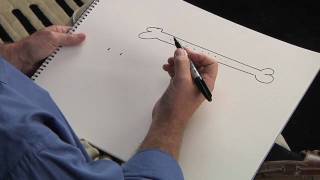
What Are Parathyroid Glands?
Learn where the parathyroid glands are and what the parathyroid glands do.
Endocrinologist asks about tests, cure rate, and malignancy
Endocrinologist tells others about what tests are needed to diagnose primary hyperparathyroidism, then asks leading experts about cure rate and percentage of patients that have malignancy.
Parathyroid Sestamibi Scan Review
Dr. Norman explains sestamibi scans and why they are often negative. Sestamibi scans are usually wrong and far too much emphasis is placed on sestamibi scans!